

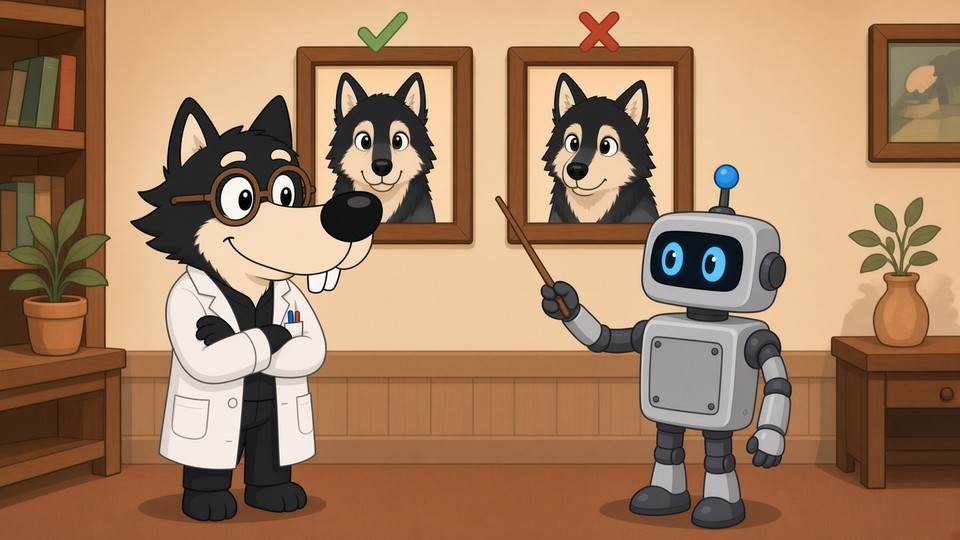
AI-generated faces, voices, and videos are common now. Some are harmless fun. Some are used to trick people into trusting a fake message, a fake news clip, or a fake “proof” that never happened.
You do not need special software to protect yourself. You need a short checklist and the habit of pausing when something feels wrong.
When to slow down
Be extra careful if the content:
- Urges you to act immediately (send money, share a code, click a link)
- Shows a public figure saying something shocking with no reliable source
- Arrives from an unusual account, number, or channel
- Looks almost right — but something about the face, hands, or voice feels “off”
A practical checklist
You will not catch every deepfake. You can catch many of the ones aimed at ordinary people.
- Check the source. Did this come from a site or person you already trust? Can you find the same claim on a major news outlet?
- Look at hands, teeth, earrings, and backgrounds. AI still often blurs, merges, or warps these under pressure.
- Listen for flat or uneven speech. Emotion that doesn’t match the mouth, or a voice that drifts in quality, is a warning sign.
- Reverse the urgency. If someone needs money or secrets now, hang up and contact them another way.
- Search a distinctive phrase from the video or post. Scams and viral fakes are often already reported.

Wolfie’s tip: “Does this want me to rush?” is often a better first question than “Does this look 100% real?” Deepfakes are designed to skip your careful thinking.
What not to rely on alone
- Your gut is useful — but not perfect.
- Free “AI detectors” are hit-and-miss; don’t treat them as proof.
- A single still frame can look fine while the full video falls apart.
The habit that matters most
When content is emotional and urgent, verify offline. Call the person. Open a known website yourself. Ask a second trusted source. Deepfakes lose most of their power when you refuse to decide in the moment.